
 Image 1 of 2
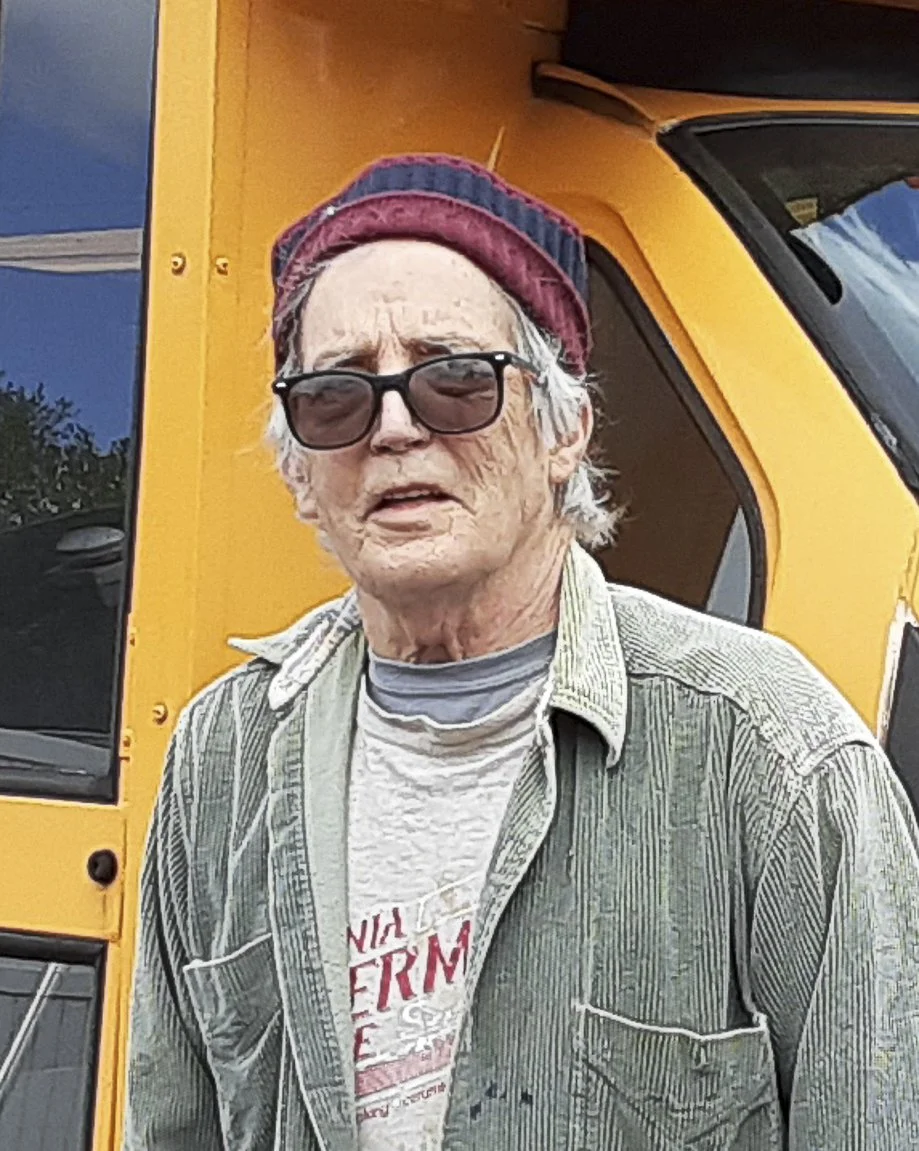 Image 2 of 2
Publication Date: July 15, 2026
Paperback, 40 pages
ISBN: 978-1-966677-53-6
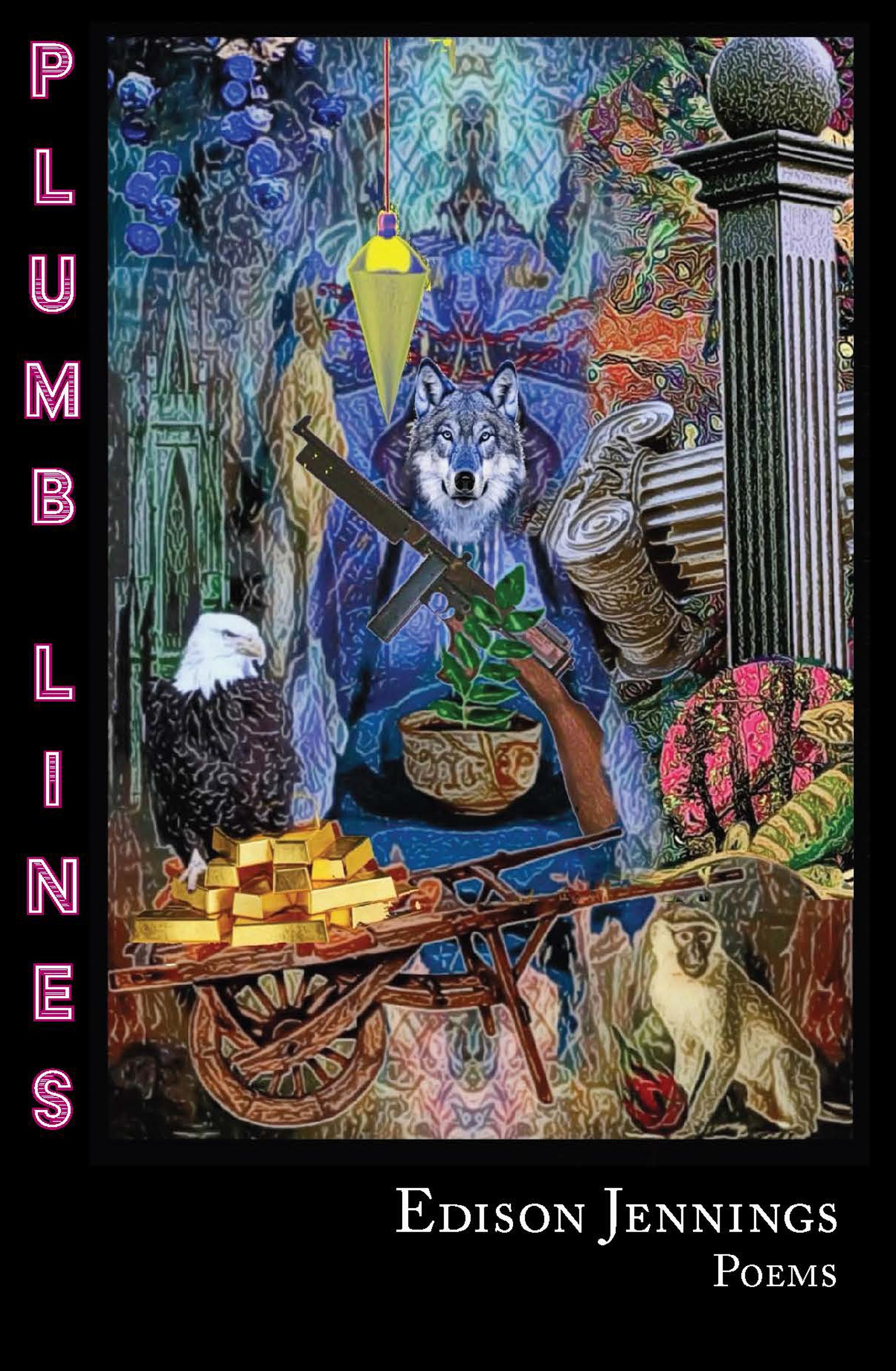
Plumb Lines, the new poetry chapbook by Edison Jennings, takes a hard look at the hard life of small-town Appalachia. These poems move between the demise of a derelict church (“As for the church, no one had attended service there in over sixty years so no one was sure what genus of church it was...”), and the hopefulness of the local Head Start (“Meanwhile the children sleep, still beautiful...”). This poetry, sad yet beautiful, opens our eyes to small town tragedies both personal and communal. Jennings captures life in his world, and makes it our own.
Praise for Edison Jennings & Plumb Lines
Edison Jennings’s chapbook, Plumb Lines, is a tapestry of pain and violence, of loss and memory. The writing is direct and fierce, refusing to avoid disturbing truths. The poet’s gift of language is strong, the voice, certain, definitive – placing the reader inside shifting locations: from a wolf’s cave to burned-out church to Head Start classroom to “snow-baffled streams” – revealing the depth of Jennings’s craft, showcasing his mastery of narrative and lyrical forms. There’s an exploration of what remains after loss, after the violence, which is a marvelous but tragic thread working through the poems. Plumb Lines is a powerful work grounded in the grit and ache of life that readers will carry with them – “in a secret pocket…in the false heel of a shoe, or sewn beneath the skin” – long after the book is finished.
—Sam Rasnake, author of Fallen Leaves and A Thread to Follow
The poems in Plumb Lines by Edison Jennings are both mythic and conversational, balancing experience of the sacred and the grounded. They emanate from a meticulous attention to form and especially diction, every word in place, his voice speaking to you as if directly, head cocked or eyebrows raised. Storytelling comes with twists of humor, irony, and pathos to render images indelible—from ashes buried in a maple to a frail man in bed, from children poised between the safety of Head Start and what the world offers outside the sanctuary, to wolves killed by Daniel Boone and crew. And more.
—Felicia Mitchell, author of Trail Magic
Edison Jennings’ finely crafted, insightful new book, Plumb Lines, explores the meaning of “America, that most shocking poem,” from “Napa Valley manse to West Virginia meth lab,” finding cruelty and tragedy but also hope. The title is from the Bible’s Book of Amos, where God puts down a plumb line to show that justice will not be compromised. From the story of how Daniel Boone and his companions killed a wolf and then “cleaned their beautiful rifles,” to the story of a racist murder that stays hidden until “a missing child revealed the township’s dull bucolic a deceit,” these stories are unforgettable, complex and wise, and leave us readers seeing our world—and our country—in a fresh light, sometimes disturbing but always cleaving to the plumb line of justice.
—Robert Thomas, author of Sonnets with Two Torches and One Cliff
At the bottom of a plumb line is a weight, the bob, that enacts or makes visible the perpendicular, the straight-up-and-down. It is a simple tool that enables a skilled craftsperson to make a structure that might enclose or shelter or preserve almost anything. Edison Jennings is such a craftsperson. When you enter his poems, you see he knows what he’s doing; you understand you are in the presence of a poet acutely aware of the burden of being alive. From inside the sadness that is life, his art erects a shelter, which helps make it possible to go on.
—Robert Wrigley, author of The True Account of Myself as a Bird
About the Author
Edison Jennings lives Southern Appalachia. His poetry collection, Intentional Fallacies, is available at Broadstone Books and elsewhere.
Publication Date: July 15, 2026
Paperback, 40 pages
ISBN: 978-1-966677-53-6
Plumb Lines, the new poetry chapbook by Edison Jennings, takes a hard look at the hard life of small-town Appalachia. These poems move between the demise of a derelict church (“As for the church, no one had attended service there in over sixty years so no one was sure what genus of church it was...”), and the hopefulness of the local Head Start (“Meanwhile the children sleep, still beautiful...”). This poetry, sad yet beautiful, opens our eyes to small town tragedies both personal and communal. Jennings captures life in his world, and makes it our own.
Praise for Edison Jennings & Plumb Lines
Edison Jennings’s chapbook, Plumb Lines, is a tapestry of pain and violence, of loss and memory. The writing is direct and fierce, refusing to avoid disturbing truths. The poet’s gift of language is strong, the voice, certain, definitive – placing the reader inside shifting locations: from a wolf’s cave to burned-out church to Head Start classroom to “snow-baffled streams” – revealing the depth of Jennings’s craft, showcasing his mastery of narrative and lyrical forms. There’s an exploration of what remains after loss, after the violence, which is a marvelous but tragic thread working through the poems. Plumb Lines is a powerful work grounded in the grit and ache of life that readers will carry with them – “in a secret pocket…in the false heel of a shoe, or sewn beneath the skin” – long after the book is finished.
—Sam Rasnake, author of Fallen Leaves and A Thread to Follow
The poems in Plumb Lines by Edison Jennings are both mythic and conversational, balancing experience of the sacred and the grounded. They emanate from a meticulous attention to form and especially diction, every word in place, his voice speaking to you as if directly, head cocked or eyebrows raised. Storytelling comes with twists of humor, irony, and pathos to render images indelible—from ashes buried in a maple to a frail man in bed, from children poised between the safety of Head Start and what the world offers outside the sanctuary, to wolves killed by Daniel Boone and crew. And more.
—Felicia Mitchell, author of Trail Magic
Edison Jennings’ finely crafted, insightful new book, Plumb Lines, explores the meaning of “America, that most shocking poem,” from “Napa Valley manse to West Virginia meth lab,” finding cruelty and tragedy but also hope. The title is from the Bible’s Book of Amos, where God puts down a plumb line to show that justice will not be compromised. From the story of how Daniel Boone and his companions killed a wolf and then “cleaned their beautiful rifles,” to the story of a racist murder that stays hidden until “a missing child revealed the township’s dull bucolic a deceit,” these stories are unforgettable, complex and wise, and leave us readers seeing our world—and our country—in a fresh light, sometimes disturbing but always cleaving to the plumb line of justice.
—Robert Thomas, author of Sonnets with Two Torches and One Cliff
At the bottom of a plumb line is a weight, the bob, that enacts or makes visible the perpendicular, the straight-up-and-down. It is a simple tool that enables a skilled craftsperson to make a structure that might enclose or shelter or preserve almost anything. Edison Jennings is such a craftsperson. When you enter his poems, you see he knows what he’s doing; you understand you are in the presence of a poet acutely aware of the burden of being alive. From inside the sadness that is life, his art erects a shelter, which helps make it possible to go on.
—Robert Wrigley, author of The True Account of Myself as a Bird
About the Author
Edison Jennings lives Southern Appalachia. His poetry collection, Intentional Fallacies, is available at Broadstone Books and elsewhere.