
 Image 1 of 2
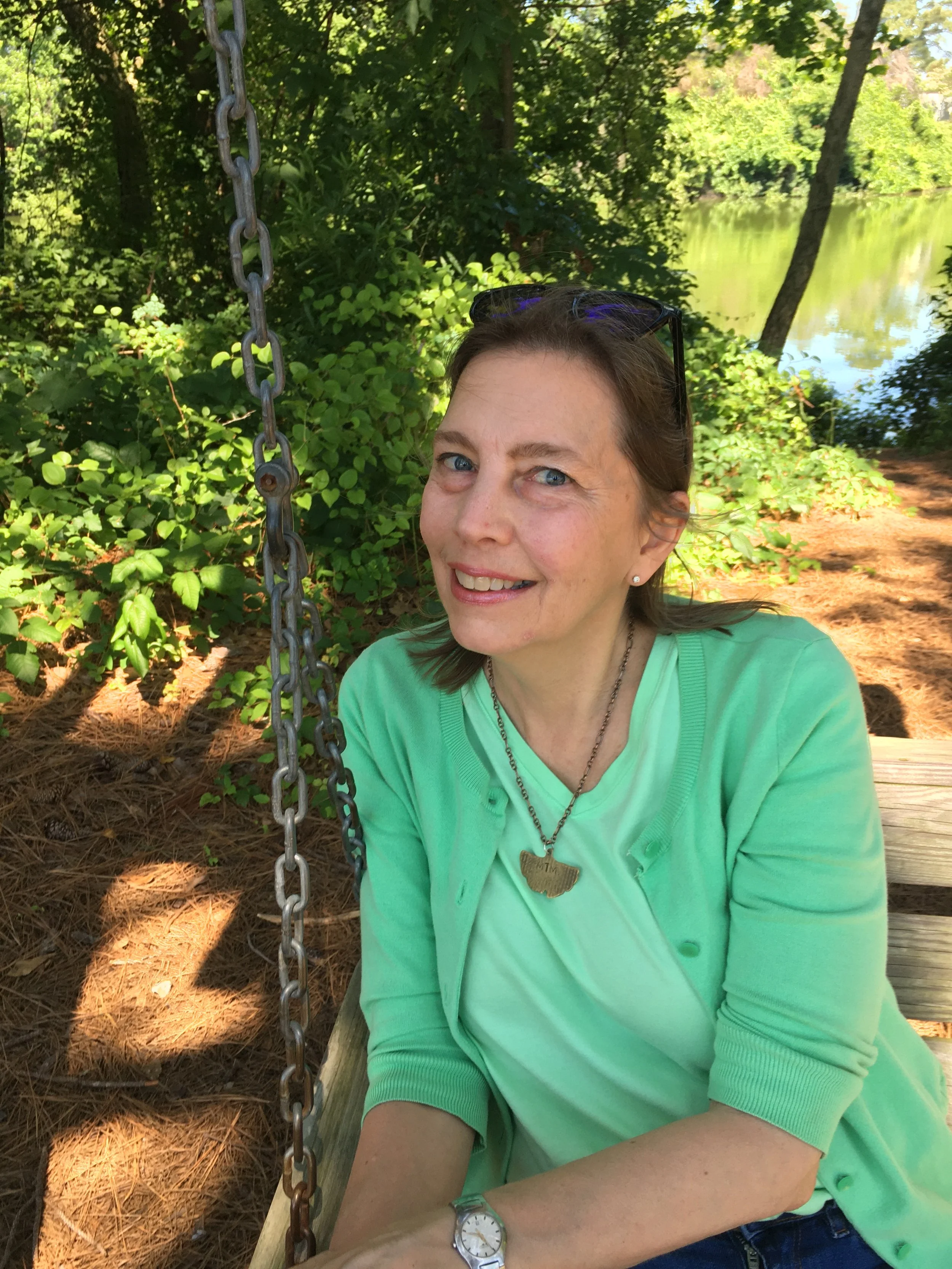 Image 2 of 2
Publication Date: November 15, 2026
Paperback, 80 pages
ISBN: 978-1-966677-63-5
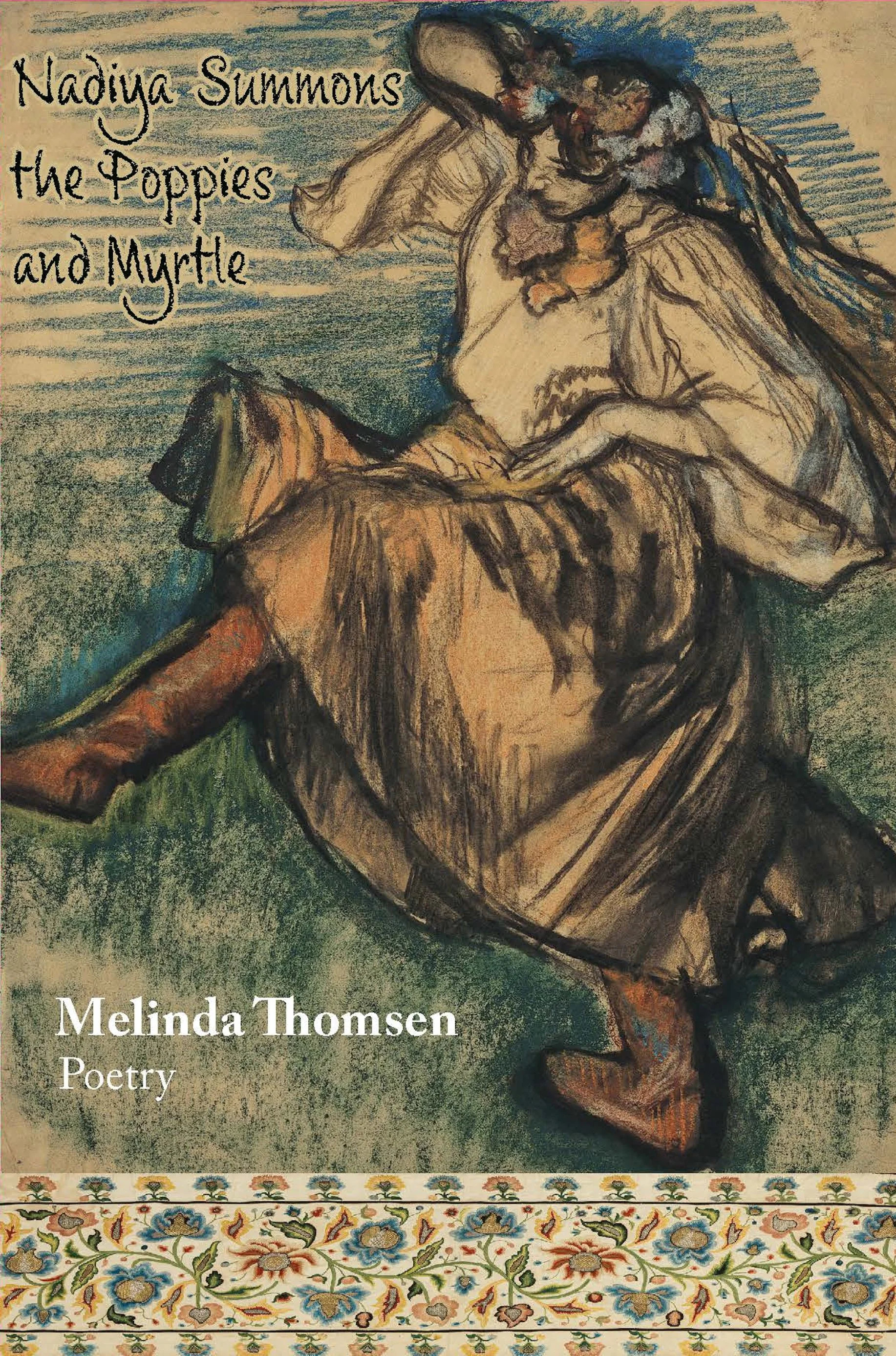
A vivid and often devastating collection of poetry of documentary witness detailing the hope and strength of the Ukrainian people in the face of on-going wartime, told through individual accounts of contemporary Ukrainians and a Ukrainian mythic figure, Nadiya, together with ekphrastic poems responding to Ukrainian artists, in particular Alla Horska to whom the book is dedicated.
Praise for Melinda Thomsen & Nadiya Summons the Poppies and Myrtle
David Daiches wrote in a WWII edition of Poetry Magazine: “The poet, in producing poetry in wartime, is demonstrating the vitality of the civilization we are defending and thus helping to renew its vigor, sustain its morale, and increase its effectiveness.…” And so it is Melinda Thomsen, focusing on the war in Ukraine, joins an illustrious list of poets like Wilfred Owen, Muriel Rukeyser, Ilya Kaminsky, Wisława Szymborska, Yusef Komunyakaa, Mahmoud Darwish, and Carolyn Forche who have shown us the horrors, irony and human cost of conflict. Her central character, Nadiya, speaks for, with and through Thomsen, as in “Airborne Debris” where the debris that follows explosions in Kharkiv is linked to the everyday debris including “sloughed skin and dander” so that the narrator seems to “breathe in myself and others” while “on these pages, I / exhale the typed up flames.” That kind of visceral account fills the pages of this artistically and politically amazing book that is so crucial for our times, and renews, as Daiches wrote, our very civilization.
—Richard Jackson, author of Footprints & The Heart as Framed: New and Select Poems
How do we hold journalistic fact, propaganda, and the alchemy of image-making without losing ethical attention? Across four decisive sections, Melinda Thomsen’s Nadiya Summons the Poppies and Myrtle confronts the unstable ground between reportage and lyric witness in the war in Ukraine. A key ekphrastic figure, Nadiya carries sorrow and resilience without becoming symbol. Her presence—on canvas or as mosaic, holding a rose soldered into a spent artillery shell, or as a kestrel taking flight as the earth closes its wounds—registers not resolution but endurance within devastation. The poems press against spectacle and numbness alike, where “hope knots itself into a weapon,” and even a missile becomes a strangely intimate object of regard. They refuse distance: “The least we can do is refuse / to buy Russian gas,” insisting witness becomes action. Thomsen’s collection leaves the reader in uneasy clarity—alert to what is seen, and to what remains obscured by a blind eye.
—Dzvinia Orlowsky, author of Those Absences Now Closest & Bad Harvest
About the Author
Melinda Thomsen’s four poetry collections include Dropping Sunrises in a Jar, the 2025 Eric Hoffer Award Honorable Mention winner in the chapbook category, and Armature, which was the 2019 Honorable Mention in the Lena Shull Book Award from North Carolina Poetry Society. Her 2011 poetry chapbook, Field Rations, is based on her grandfather’s letters to her grandmother during World War II. Her poems have won numerous awards and were recently published in Salamander Magazine, Kakalak, North Carolina Literary Review, and Big City Lit, among others, including two Pushcart Nominations. She lives in Greenville, North Carolina with her husband Hunt and their three cats and two chickens. For more information, please visit melindathomsen.com.