
 Image 1 of 2
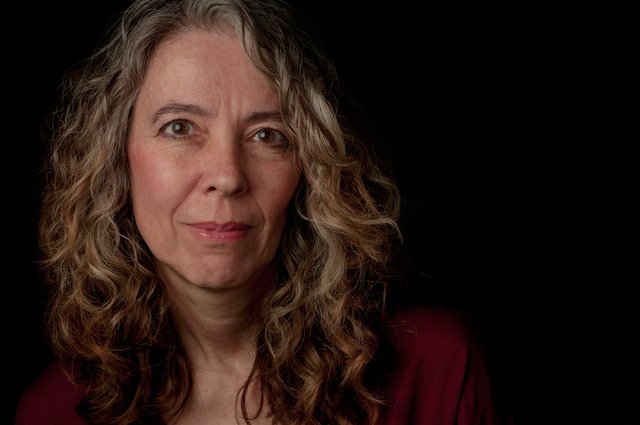 Image 2 of 2
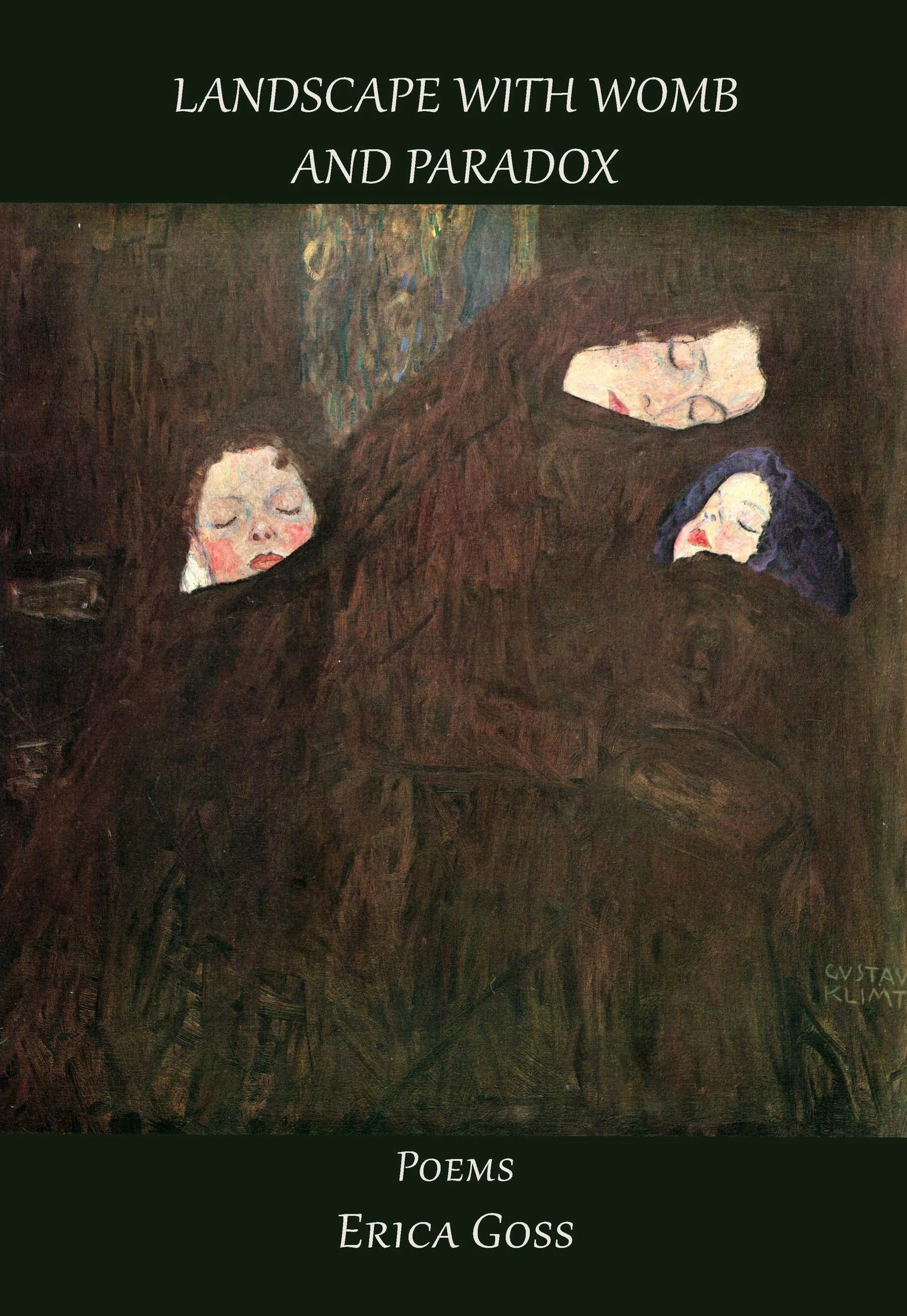
LANDSCAPE WITH WOMB AND PARADOX, poetry by Erica Goss
Publication Date: January 31, 2026
Paperback, 84 pages
ISBN: 978-1-966677-30-7
“Growing up meant losing beautiful things,” Erica Goss writes near the end of her new poetry collection Landscape with Womb and Paradox, and to traverse this landscape of the paradox of womanhood is to encounter a litany of losses, her own and the generational traumas of parents and children. “Repeated enough times, / words lose energy” – but that isn’t ever true here, as her words resound with her experience, vision, and imagination, and with her persistent hope: “I am not through with believing.”
Praise for Erica Goss & Landscape with Womb and Paradox
Erica Goss’s new collection celebrates the blessings and grieves the burdens of the body, the initiations we experience, via both awe and trauma. These poems point to “flowers that bloom for only one day” but also possibilities and promises (“My son sings in the new house”). Whether declaring that her “nerves were shot by the time [she] was ten” or confessing that she is “making darkness”, Goss approaches the everyday as a portal into the archetypal, conjuring great truths and greater mysteries. In verse after verse, her lines open like invisible doors, revealing multilayered panoramas, the universe in its wondrous and terrifying glory. Goss has done it again, reminding us – painfully, joyfully – what it’s like to be a human being.
—John Amen, author of Dark Souvenirs, editor of Pedestal Magazine
In the title poem of Erica Goss’s engaging collection, the speaker tells us that her “youth was a canvas turned / to the wall.” In another poem, she speaks of childhood as a time of “bewilderment, our youth // a shield against too much / knowing.” And yet, she admits, “Had I known, what would / I have done?” This is one of the paradoxes explored by Goss. She wants to embrace—and thereby understand—her past, yet at the same time she hopes for “a delicious flood of amnesia.” How to solve this dilemma is the quest of Landscape with Womb and Paradox, another compelling collection by this award-winning writer.
—Andrea Hollander, author of And Now, Nowhere But Here
Landscape with Womb and Paradox considers how bodies, particularly women’s, hold tight knots of our hunger, wildfires, and “war-DNA,” but also, music, garden tomatoes, visitation owls, the ocean, and trees. These poems often exist in liminal spaces between wildness and society, with the speaker wishing for an escape hatch, yet not really wanting solitude. A woman travels in the “tiny house” of her car, her father’s ashes in the passenger seat. A child hides in the realm beneath a populated kitchen table. And despite these departures, “Yes,” the poet writes, “I want life, yes.” Rendering an exquisite universality connecting us to each other and to the natural world, Erica Goss claims, “all trees had difficult childhoods … cannot grow up alone,” expressing both resiliency and the need for community—for trees, for the poet, and for us all.
—Rebecca Hart Olander, author of Singing from the Deep End
“I’ve come across the world / for my inheritance.” So starts a poem in Landscape with Womb and Paradox, a compelling, accessible, and remarkably honest collection filled with stark, realistic, yet often slightly experimental poems that paint an intimate portrait of identity, interpersonal struggles, loss, family, and the ever-present need for empathy. In these vibrant poems of community, nature, biography, Goss showcases a true talent for imbuing the smallest human details with authenticity and layered meanings. Each poem maps out the human heart in relation to that larger human heart we all share together, in all their internal conflicts, with precision and grace. Overflowing with vivid language, Landscape is both intellectually stimulating and emotionally engaging, reminding us of the beautiful complexities of being human.
—John Sibley Williams, author of As One Fire Consumes Another
About the Author
Erica Goss is the author of Landscape with Womb and Paradox and Night Court, winner of the 2017 Lyrebird Award from Glass Lyre Press. She has received numerous Pushcart Prize and Best of the Net nominations, as well as a 2023 Best American Essay Notable. Recent and upcoming publications include The Colorado Review, The Georgia Review, The Indianapolis Review, Oregon Humanities, Creative Nonfiction, North Dakota Quarterly, Gargoyle, Spillway, West Trestle, A-Minor, Redactions, Consequence, The Sunlight Press, The Pedestal, San Pedro River Review, and South Florida Poetry Journal. Erica served as Poet Laureate of Los Gatos, California, from 2013-2016. She lives in Eugene, Oregon.
Publication Date: January 31, 2026
Paperback, 84 pages
ISBN: 978-1-966677-30-7
“Growing up meant losing beautiful things,” Erica Goss writes near the end of her new poetry collection Landscape with Womb and Paradox, and to traverse this landscape of the paradox of womanhood is to encounter a litany of losses, her own and the generational traumas of parents and children. “Repeated enough times, / words lose energy” – but that isn’t ever true here, as her words resound with her experience, vision, and imagination, and with her persistent hope: “I am not through with believing.”
Praise for Erica Goss & Landscape with Womb and Paradox
Erica Goss’s new collection celebrates the blessings and grieves the burdens of the body, the initiations we experience, via both awe and trauma. These poems point to “flowers that bloom for only one day” but also possibilities and promises (“My son sings in the new house”). Whether declaring that her “nerves were shot by the time [she] was ten” or confessing that she is “making darkness”, Goss approaches the everyday as a portal into the archetypal, conjuring great truths and greater mysteries. In verse after verse, her lines open like invisible doors, revealing multilayered panoramas, the universe in its wondrous and terrifying glory. Goss has done it again, reminding us – painfully, joyfully – what it’s like to be a human being.
—John Amen, author of Dark Souvenirs, editor of Pedestal Magazine
In the title poem of Erica Goss’s engaging collection, the speaker tells us that her “youth was a canvas turned / to the wall.” In another poem, she speaks of childhood as a time of “bewilderment, our youth // a shield against too much / knowing.” And yet, she admits, “Had I known, what would / I have done?” This is one of the paradoxes explored by Goss. She wants to embrace—and thereby understand—her past, yet at the same time she hopes for “a delicious flood of amnesia.” How to solve this dilemma is the quest of Landscape with Womb and Paradox, another compelling collection by this award-winning writer.
—Andrea Hollander, author of And Now, Nowhere But Here
Landscape with Womb and Paradox considers how bodies, particularly women’s, hold tight knots of our hunger, wildfires, and “war-DNA,” but also, music, garden tomatoes, visitation owls, the ocean, and trees. These poems often exist in liminal spaces between wildness and society, with the speaker wishing for an escape hatch, yet not really wanting solitude. A woman travels in the “tiny house” of her car, her father’s ashes in the passenger seat. A child hides in the realm beneath a populated kitchen table. And despite these departures, “Yes,” the poet writes, “I want life, yes.” Rendering an exquisite universality connecting us to each other and to the natural world, Erica Goss claims, “all trees had difficult childhoods … cannot grow up alone,” expressing both resiliency and the need for community—for trees, for the poet, and for us all.
—Rebecca Hart Olander, author of Singing from the Deep End
“I’ve come across the world / for my inheritance.” So starts a poem in Landscape with Womb and Paradox, a compelling, accessible, and remarkably honest collection filled with stark, realistic, yet often slightly experimental poems that paint an intimate portrait of identity, interpersonal struggles, loss, family, and the ever-present need for empathy. In these vibrant poems of community, nature, biography, Goss showcases a true talent for imbuing the smallest human details with authenticity and layered meanings. Each poem maps out the human heart in relation to that larger human heart we all share together, in all their internal conflicts, with precision and grace. Overflowing with vivid language, Landscape is both intellectually stimulating and emotionally engaging, reminding us of the beautiful complexities of being human.
—John Sibley Williams, author of As One Fire Consumes Another
About the Author
Erica Goss is the author of Landscape with Womb and Paradox and Night Court, winner of the 2017 Lyrebird Award from Glass Lyre Press. She has received numerous Pushcart Prize and Best of the Net nominations, as well as a 2023 Best American Essay Notable. Recent and upcoming publications include The Colorado Review, The Georgia Review, The Indianapolis Review, Oregon Humanities, Creative Nonfiction, North Dakota Quarterly, Gargoyle, Spillway, West Trestle, A-Minor, Redactions, Consequence, The Sunlight Press, The Pedestal, San Pedro River Review, and South Florida Poetry Journal. Erica served as Poet Laureate of Los Gatos, California, from 2013-2016. She lives in Eugene, Oregon.