
 Image 1 of 2
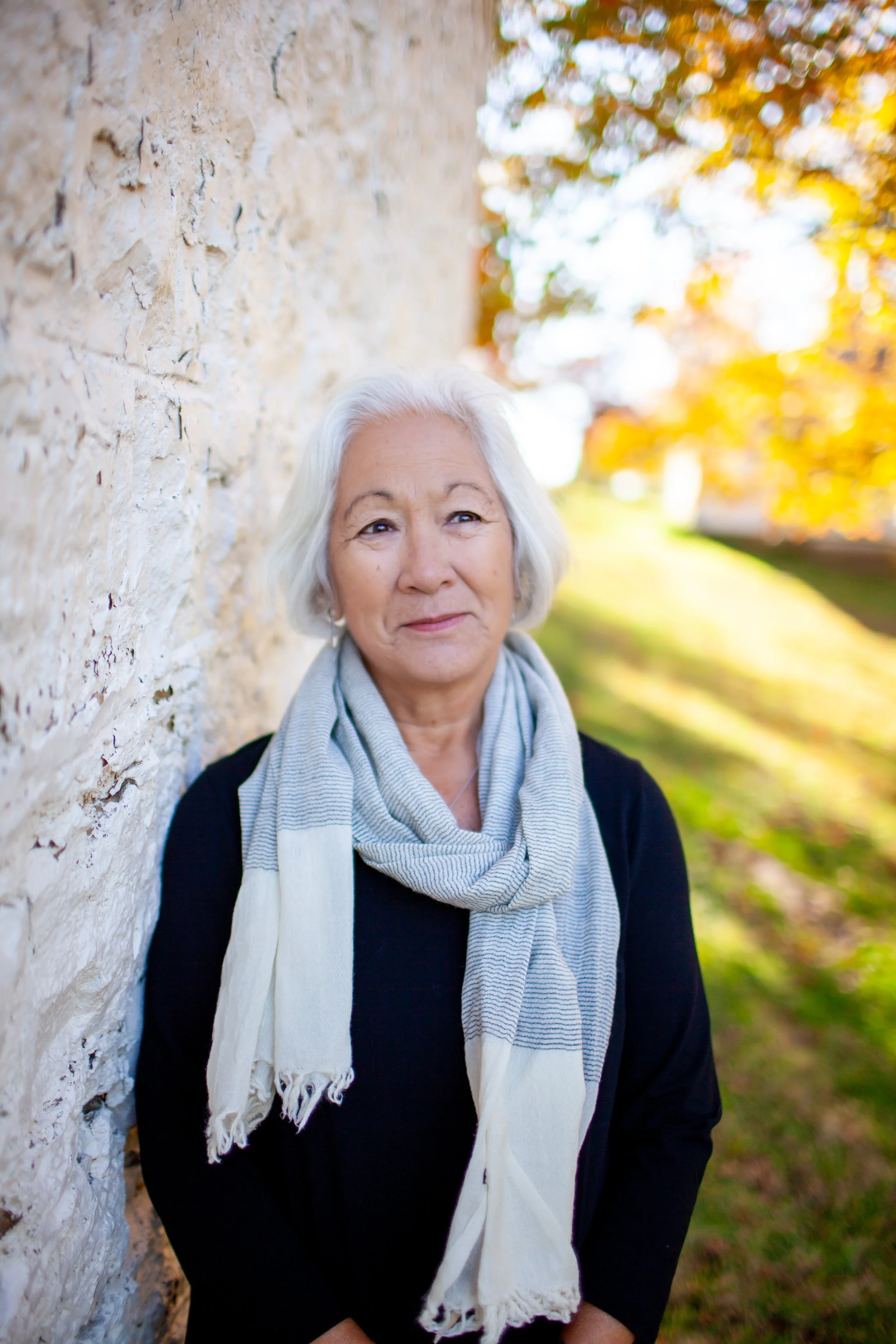 Image 2 of 2
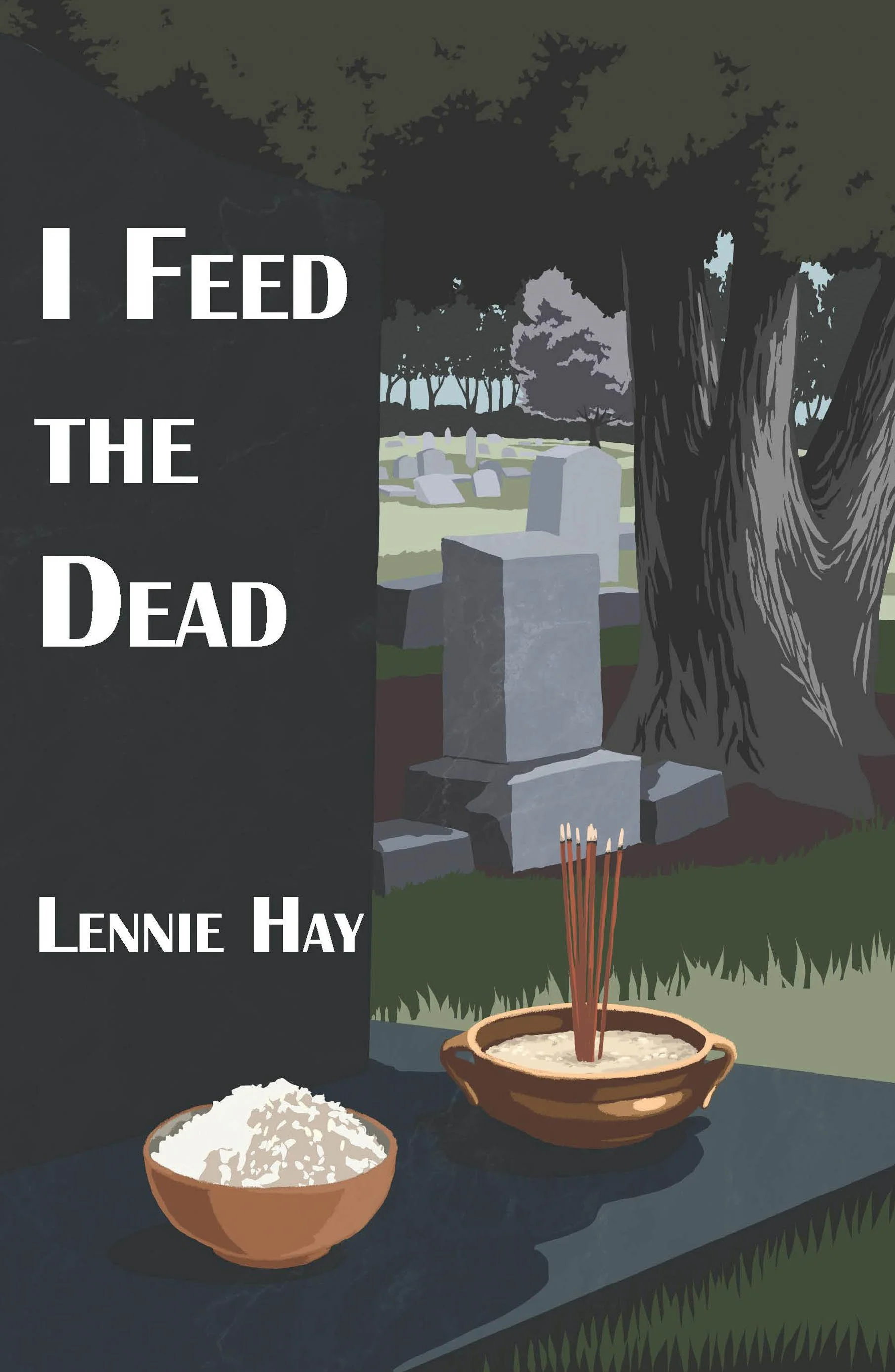
I FEED THE DEAD, poetry by Lennie Hay
Publication Date: May 15, 2026
Paperback, 100 pages
ISBN: 978-1-966677-45-1
In I Feed the Dead, the latest collection from Lennie Hay, she focuses on family – “Losing a name can give you a reality.” Family leads to the importance of food and home – “I sauté lines in free verse, sliding in our childhood butter / with a pinch of narrative.” This rich foundation sustains her through pandemic-imposed trauma set against the beauty Mallorca, where “grace enfolds us inside these hours, / makes us more human, as suffering sometimes does.” Whatever food, family, and home mean to each of us, Hay addresses them evocatively, leaving us filled with food for thought..
Praise for Lennie Hay & I Feed the Dead
“Because hunger follows [her] everywhere,” Lennie Hay’s dazzling collection of poetry looks unflinchingly at the realities of loss. She interrogates her Chinese heritage as she considers the loss of loved ones and wrestles with her own mortality. All of this is masterfully and fiercely executed. Food is never just food and eating is an act of inheritance, mourning, love, and reckoning. Hay’s work is deeply sensitive and acutely witnessed. This is a book that perfectly balances the knife edge of that which fills us and that which empties us. In it, school children “carry their nightmares in backpacks” and the “grave Gulf keeps [her] secrets.” I Feed the Dead is filled with tenderness, beauty, and clarity and I loved every word.
—Didi Jackson, author of Moon Jar & My Infinity
In I Feed the Dead, Lennie Hay writes with skillful attention to the textures and tensions of daily life. Through an Asian-American speaker, the collection explores how identity is shaped by ancestry, appetite, labor, and care. The speaker’s forage through a lineage scattered across immigration records, where family names reduce ancestors to “another variation / a ghost misspelled” culminates in the bold declaration “I claim all our names.” At the heart of the collection, a formal ambition emerges in a crown sonnet where language turns from appetite to predation. Its interlocking lines carry us from “Bilbao’s dim sum” and “pintxos” to a “viral feast” that “waits to gorge on Spain,” enacting contagion through repetition. Hay’s sensory poems bear witness to life’s seasoned moments, unfurling like hand-pulled noodles in Lanzhou, stretched and folded, structure married to art.
—Nancy Chen Long, author of Wider than the Sky
It takes courage to face aging for what it is and to where it inevitably ends. In I Feed the Dead, Lennie Hay takes on the subject as scholar and artist. She describes the tradition of leaving food and gifts at loved ones’ gravesites, intending to keep them safe and content, alive in the minds of the living. She revives her parents and siblings in the vivid language of poetry, as she does a lost friend advising the poet to write more poems. Among the last poems in the book, Hay takes us to her raucous Zumba class, to a jazz festival, and on a voyage with her husband up the St. Lawrence Seaway, leaving his illness at home. The poet offers a guide for living fully and loving widely in poems that are wise, joyful, honest, and informed.
—Maureen Morehead, author of The Red Gate
About the Author
Lennie Hay writes of cultural fault lines and injustice in her poetry often using images reflecting her passions for water, music, and food. Her 2024 debut poetry collection, Lost in America, explored the complexity of growing up Chinese American in the Midwest. Her second collection, I Feed the Dead, uses a range of poems, and subject matter to honor the dead she has loved—her Chinese father, German Ukrainian Mother and others—while she faces head-on life’s fragility for herself and others in today’s world. Lennie holds degrees from the University of Minnesota, the University of Louisville, and an MFA from Spalding University. A retired public-school educator, she lives in Southern Indiana and Florida. Lennie’s poetry has been published in local, regional, and international journals, as well as in anthologies, and has won local and regional prizes.
Publication Date: May 15, 2026
Paperback, 100 pages
ISBN: 978-1-966677-45-1
In I Feed the Dead, the latest collection from Lennie Hay, she focuses on family – “Losing a name can give you a reality.” Family leads to the importance of food and home – “I sauté lines in free verse, sliding in our childhood butter / with a pinch of narrative.” This rich foundation sustains her through pandemic-imposed trauma set against the beauty Mallorca, where “grace enfolds us inside these hours, / makes us more human, as suffering sometimes does.” Whatever food, family, and home mean to each of us, Hay addresses them evocatively, leaving us filled with food for thought..
Praise for Lennie Hay & I Feed the Dead
“Because hunger follows [her] everywhere,” Lennie Hay’s dazzling collection of poetry looks unflinchingly at the realities of loss. She interrogates her Chinese heritage as she considers the loss of loved ones and wrestles with her own mortality. All of this is masterfully and fiercely executed. Food is never just food and eating is an act of inheritance, mourning, love, and reckoning. Hay’s work is deeply sensitive and acutely witnessed. This is a book that perfectly balances the knife edge of that which fills us and that which empties us. In it, school children “carry their nightmares in backpacks” and the “grave Gulf keeps [her] secrets.” I Feed the Dead is filled with tenderness, beauty, and clarity and I loved every word.
—Didi Jackson, author of Moon Jar & My Infinity
In I Feed the Dead, Lennie Hay writes with skillful attention to the textures and tensions of daily life. Through an Asian-American speaker, the collection explores how identity is shaped by ancestry, appetite, labor, and care. The speaker’s forage through a lineage scattered across immigration records, where family names reduce ancestors to “another variation / a ghost misspelled” culminates in the bold declaration “I claim all our names.” At the heart of the collection, a formal ambition emerges in a crown sonnet where language turns from appetite to predation. Its interlocking lines carry us from “Bilbao’s dim sum” and “pintxos” to a “viral feast” that “waits to gorge on Spain,” enacting contagion through repetition. Hay’s sensory poems bear witness to life’s seasoned moments, unfurling like hand-pulled noodles in Lanzhou, stretched and folded, structure married to art.
—Nancy Chen Long, author of Wider than the Sky
It takes courage to face aging for what it is and to where it inevitably ends. In I Feed the Dead, Lennie Hay takes on the subject as scholar and artist. She describes the tradition of leaving food and gifts at loved ones’ gravesites, intending to keep them safe and content, alive in the minds of the living. She revives her parents and siblings in the vivid language of poetry, as she does a lost friend advising the poet to write more poems. Among the last poems in the book, Hay takes us to her raucous Zumba class, to a jazz festival, and on a voyage with her husband up the St. Lawrence Seaway, leaving his illness at home. The poet offers a guide for living fully and loving widely in poems that are wise, joyful, honest, and informed.
—Maureen Morehead, author of The Red Gate
About the Author
Lennie Hay writes of cultural fault lines and injustice in her poetry often using images reflecting her passions for water, music, and food. Her 2024 debut poetry collection, Lost in America, explored the complexity of growing up Chinese American in the Midwest. Her second collection, I Feed the Dead, uses a range of poems, and subject matter to honor the dead she has loved—her Chinese father, German Ukrainian Mother and others—while she faces head-on life’s fragility for herself and others in today’s world. Lennie holds degrees from the University of Minnesota, the University of Louisville, and an MFA from Spalding University. A retired public-school educator, she lives in Southern Indiana and Florida. Lennie’s poetry has been published in local, regional, and international journals, as well as in anthologies, and has won local and regional prizes.